
By Ezaruku Draku Franklin
Uganda, for the first time in years has registered better forest cover, despite increasing cases of illegal logging and forest destruction by encroachers. Wildlife numbers have also significantly increased, while air pollution and wetland degradation are taking a toll on the environment.
Data from the National Environment Management Authority indicates that for the first time since 1990 the country registered a net forest cover gain from 9% in 2017 to 13 % in 2020.
This is in contrast to years of forest cover loss between 1990 and 2010, when Uganda lost an average of 88,150 ha or 1.86% per year. In total, between 1990 and 2010, Uganda lost 37.1% of its forest cover, or around 1,763,000 ha.
The country’s forests contain 109 million metric tons of carbon in living forest biomass.
Dr Akankwasa Barirega, the Executive Director of NEMA says the main challenge facing the sector is pressure arising from the demand for agricultural land and demand for charcoal, firewood and building materials.
“On the other hand, wetland cover has experienced a downward trend – reducing from 15.5% in 1994 to 13% in 2020. However, of the 13 % wetlands about 8% are intact while the rest is degraded,” he said.
Dr Akankwasa said to address the challenges facing the environment and in line with the national theme for this year’s World Environment Day, the Government has developed a ten year Environment Restoration Plan.
“The country declared the next ten years as a war decade for environment restoration with a focus on further reversing forest, wetland and biodiversity loss. The target is to halt degradation in all sectors of the environment and increase forest cover to 15% by 2030,” he said.
He asked all Ugandans to stop encroachment on fragile ecosystems such as wetlands, forests, lake shores and river banks.
“We urge everyone to plant trees at every opportunity, restore degraded ecosystems, and avoid settling or cultivating on steep slopes. Seek guidance from respective authorities before undertaking potentially harmful activities; adopt sustainable and environmentally friendly waste management options,” Dr Akawnkwasa said.
“As we celebrate World Environment Day, we emphasize that the Earth is our Only Home and our survival depends on how well we treat it. We have only one earth, let us conserve it for life,” he added.
Wildlife
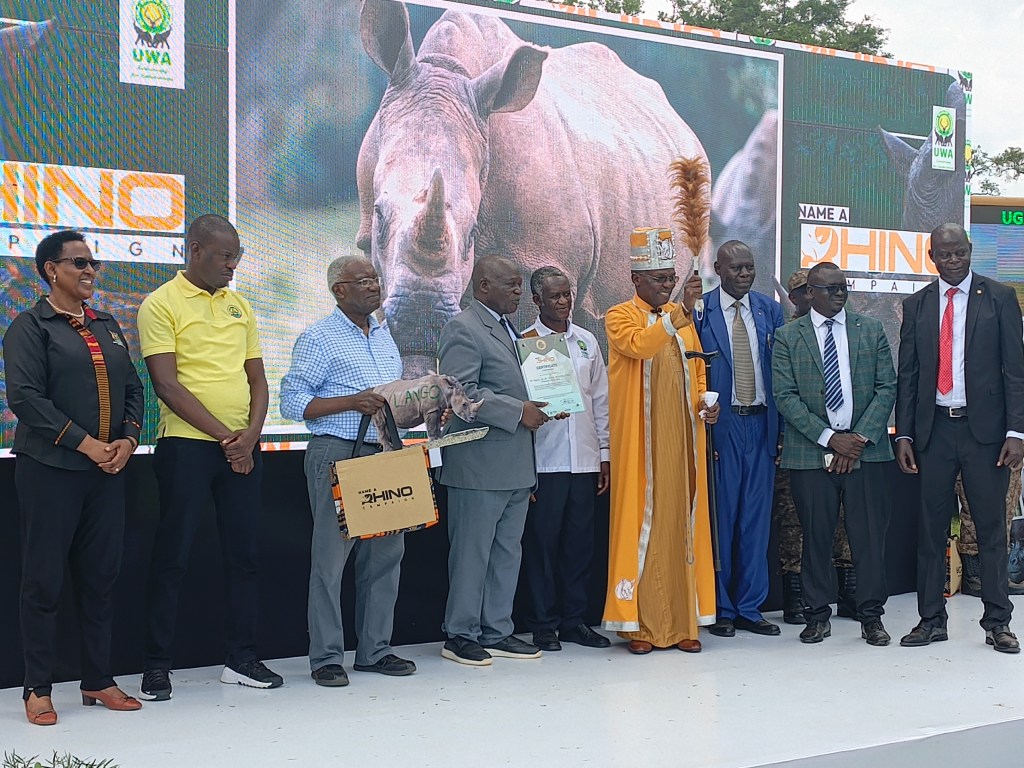
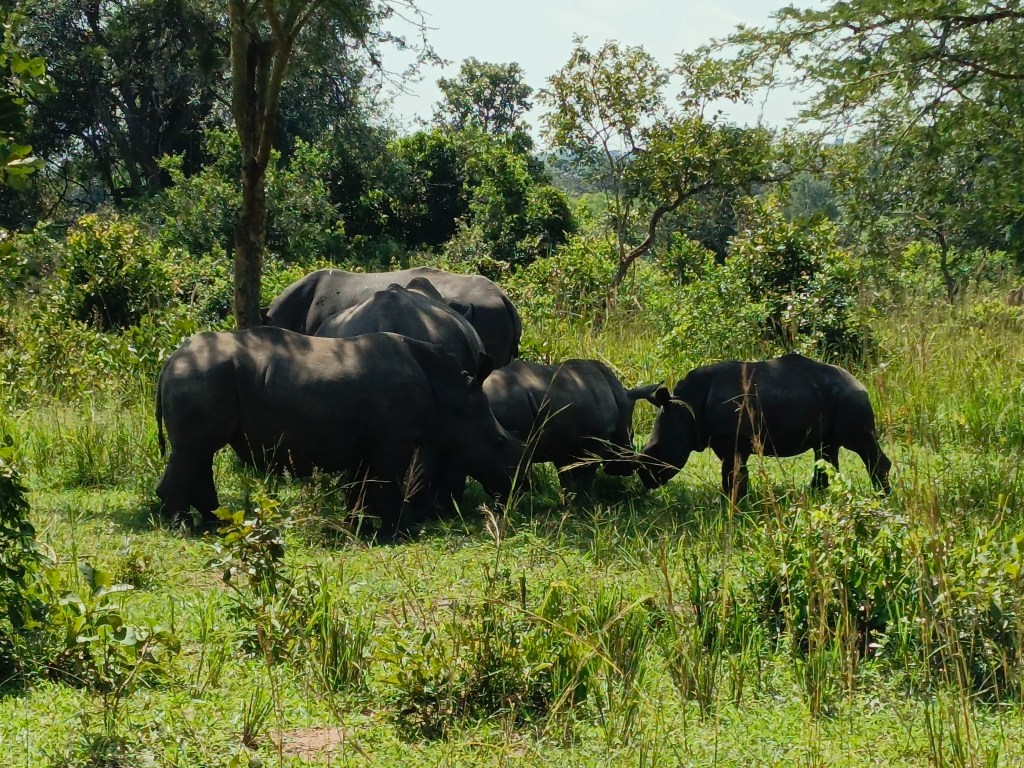
Dr Akankwasa said the wildlife populations have generally increased especially in protected areas. He for instance said the number of Uganda Kobs increased from 77,759 in 2011 to 175,590 in 2020, African Elephants from 5,739 to 7,975 and Rhinos from 17 to 35 within the same time frame.
“Unfortunately, the number of lions reduced from 493 individuals in 2011 to 373 in 2020. A decline that is attributed to human-wildlife conflict with communities neighboring protected areas,” he said.
Uganda has 1592 known species of amphibians, birds, mammals and reptiles according to figures from the World Conservation Monitoring Centre. Of these, 1.1% are endemic, meaning they exist in no other country, and 3.1% are threatened. Uganda is home to at least 4900 species of vascular plants. 7.3% of Uganda is protected under IUCN categories I-V.
Worsening air pollution
Data from NEMA indicates that air pollution has over the last five years, continued to take a toll on the country, with urban areas in Uganda consistently registering readings that are ten times above the World Health Organization recommended levels of 2021.
“The key sources of air pollution in the country include the transport sector (automobiles), unpaved roads, domestic burning of biomass fuels and industrial activities,” he said.
In February this years, KCCA together with NEMA, the US Embassy and Makerere University released data on the air quality and the results from 23 air quality monitors across the city indicated that average particulate matter (PM 2.5) is at 75 micrograms per cubic meter, which is 3 times higher than the World Health Organisation (WHO) cut off.
 Africa Planet Watch
Leave a comment